

 Team Hellofilmy
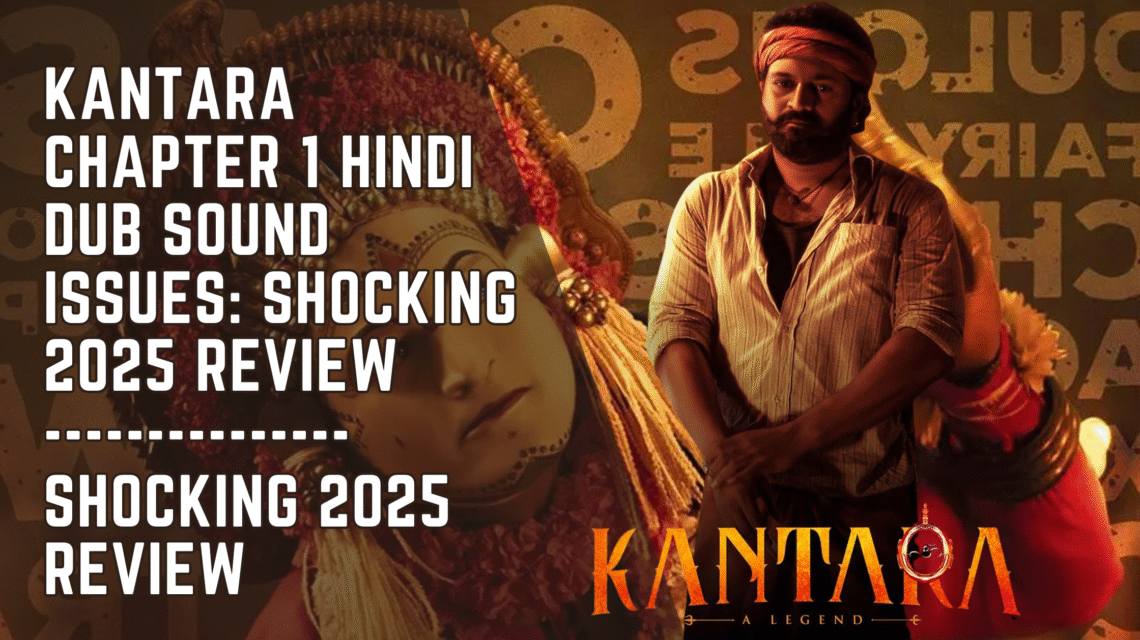
 Kantara Chapter 1 Hindi dub sound issues have dominated discussions since its release, with audiences reporting that dialogue clarity often suffers when the score swells in key sequences. Despite impressive box office performance with Rs. 75 crores earned over a four day extended weekend, the film is being hotly debated beyond its numbers. In this article, we dissect what is going wrong, how it is being perceived, and what can be done to fix the listening experience for viewers across theaters and home viewing. The topic remains especially relevant for fans who prefer dubbed content and for theater operators who must balance loud action with intelligible dialogue. For further context, see our related analysis on Kantara sound and subtitles, plus the broader impact of audio choices on Indian cinema audiences.
Why the Hindi Version Is Generating Mixed Feedback
The Hindi version of Kantara Chapter 1 has generated strong numbers and positive word of mouth, yet a notable portion of viewers report a persistent issue where the background score overwhelms dialogues in several sequences. The initial release brought in high energy and excitement, but at some multiplexes the emphasis on music and ambience appears to have compromised the subtleties of character dialogue. In practice, this translates to moments where listeners miss lines or need to strain to follow conversations. Analysts warn that while the problem may not be universal, it is impactful enough to affect the overall viewing experience for a segment of the audience.
Box office data shows a robust run, yet the reception from cinema managers is mixed. One multiplex official from Mumbai described occurrences in the opening scene and later sequences where the dialogue could be drowned by the background music. While the issue is not universal across all screens, it remains a credible concern that distributors and exhibitors should address promptly. In the official channels, some viewers have also pointed out that the Hindi dub is creating a perception problem about print quality or playback, which could be only partly accurate. Readability of dialogues matters greatly when audiences are watching epic action and mythic sequences unfold on screen.
Technical Dubs: Analyzing the Sound Mixing
From a technical standpoint, the core complaint centers on sound mixing in the Hindi dub. In several reports, the background score is reported to be overpowering the dialogues during the film’s most intense moments. This is compounded by the perception that the dialogue tracks are not always synchronized with the mouth movements, causing a mild dissonance for some patrons. While a fraction of the audience experiences such issues, others report clean and enjoyable sound alignment, which suggests variance across theaters or print batches. Viewers and industry insiders alike call for a rectified print or a corrected audio mix that restores dialogue intelligibility while preserving the film’s dramatic sound design. If you have observed the Hindi dub, share your experience in the comments to enrich this discussion. Examples of social media chatter highlight the need for a rapid response from the studio and exhibitors.
Subtitle Font Size: Readability on Big Screens
In parallel to the audio mix, subtitle readability has emerged as a talking point. Several patrons note that the subtitle font in the Guliga scenes is smaller than expected, especially on large formats where huge screens magnify tiny text. Subtitles play a critical role in ensuring accessibility, and when font size is too small, viewers risk missing key exchanges or cultural cues that are integral to the narrative. This issue is particularly pronounced for audiences who prefer dubbed content yet rely on subtitles for context. Critics argue that either the Hindi dialogue should be fully dubbed or the font size should be adjusted to improve legibility across diverse theater setups.
Audience members have also pointed out that in mixed-language screenings or larger auditoriums, tiny subtitles can undermine comprehension. The discussion underscores a broader principle: when dubbing is not fully deployed, subtitles must still be legible and properly timed to support the viewing experience. The industry would benefit from standardized guidelines for subtitle readability across formats to avoid such conflicting feedback in future releases.
Past Experiences: Lessons from KGF Chapter 2 and Kanguva
The Kantara team is not the first to face such audio-related feedback. Past experiences with major Indian releases like KGF Chapter 2 in 2022 revealed widespread audience complaints about the film feeling too loud on many screens. Exhibitors requested volume reductions, and the makers subsequently issued rectified prints after the first weekend. This pattern shows that audience sensitivity to sound can shift expectations quickly, prompting studios to revisit their mixes post release. Another comparable case is Kanguva in 2024, where it was publicly stated that the balance between dialogue and action had to be recalibrated. Producer K E Gnanavel Raja explained that the team adjusted the sound by lowering it by two points, acknowledging the need to account for large-scale action and historical settings. These precedents underscore the value of proactive listening to viewer feedback and timely adjustments in print and audio mastering.
Audience Reactions Across Platforms
Social media chatter underlines the diversity of responses to Kantara Chapter 1 Hindi dub. While many praise the film’s VFX, action sequences, and performances, a segment of viewers and theatre operators call for immediate corrections to audio balance and subtitle readability. Twitter and X threads highlight that some patrons perceive the Hindi print as not being uniformly optimized across regions, suggesting the need for a centralized quality control process before distribution. As conversations unfold online, the key question remains whether the filmmakers will release updated audio tracks or corrected prints to address these concerns. Public voices are likely to influence subsequent distribution choices and post-release patches.
What the Producers and Theaters Are Saying
On the distribution side, the discourse includes a mix of statements from producers and theater operators. Some entities have acknowledged feedback and signaled readiness to consider adjustments if supported by the data from multiple properties. Others have stressed that the technical setup in their venues is functioning correctly and that the perception of the Hindi dub may be theater-specific. The ongoing dialogue suggests that a consolidated, cross-market approach could help reduce inconsistent experiences across screens. In the meantime, exhibitors are encouraged to monitor for any consistent reports and to coordinate with distributors for potential rectified audio assets.
For readers seeking a single source of updates, tracking official statements from Hombale Films and the film’s distribution partners can provide clarity on whether revised mixes or updated prints are forthcoming. Until then, fans and theater owners alike should look for any official notices about changes to the Hindi version. [Link to official press updates about Kantara Hindi version]
How Sound Design Can Improve Your Viewing Experience
Sound design is a crucial but often underutilized aspect of audience satisfaction. For Kantara Chapter 1 Hindi dub sound issues, several practical principles can guide future releases toward greater consistency across theaters and home viewing. The following considerations can help producers balance the intensity of music with the clarity of dialogue without sacrificing immersion:
- Dialogue-first approach: ensure that the spoken words remain intelligible during peak action by maintaining a safe dynamic range and avoiding excessive dynamic compression on dialogue tracks.
- Region-specific calibration: tailor mixes to regional theater profiles, recognizing that acoustic environments vary between city centers and provincial cinemas.
- Print and asset hygiene: deliver rectified prints and updated audio stems promptly when feedback indicates a consistent problem across properties.
- Subtitle readability: use legible font sizes, adequate contrast, and proper timing synchronization to support comprehension when viewers opt for subtitles.
- Quality assurance: implement cross-market listening tests before wide distribution to catch issues that may not appear in initial screenings.
Practical Recommendations for Theaters
- Calibrate each auditorium to a standard loudness that preserves dialogue clarity without sacrificing impact during action scenes.
- Provide theater managers with a quick guide to identify and report consistent sound anomalies across multiple screenings.
- Keep a process in place for rapid distribution of corrected audio assets if reports indicate a systemic issue.
- Offer viewers a choice to enable enhanced captioning or adjust subtitle scales when there are readability concerns.
Practical Recommendations for Filmmakers
- Plan for multilingual markets by creating dedicated Hindi and other language mixes that optimize dialogue intelligibility on diverse venues.
- Coordinate with distribution partners early to ensure that revised prints can be disseminated quickly if needed.
- Engage with audience feedback channels publicly to demonstrate commitment to viewer experience.
Frequently Asked Questions
Why is Kantara Chapter 1 Hindi dub causing volume issues in some theaters?
The concerns typically arise when the background score and the dialogue track compete for attention, occasionally making dialogues hard to follow. Variability across theater acoustics and print batches can magnify this effect in certain venues.
Will there be updated prints or new audio mixes for the Hindi version?
There is no universal confirmation yet. In past cases, studios released rectified prints after monitoring feedback across properties. Viewers should watch for official announcements from Hombale Films and distributors regarding any updated assets.
How can viewers improve their experience at home or in theaters?
Viewers can try adjusting their home speaker balance, enabling dialog enhancement features if available, and watching updated print versions when released. For theaters, operators should calibrate audio per auditorium and promptly apply any corrected mixes when provided by the distributor.
Do subtitles size and readability impact comprehension?
Yes. When subtitles are too small or poorly timed, readers may miss essential dialogue or context. A balance between readable subtitles and screen presence is critical for dubbed markets where some viewers rely on subtitles alongside dubbing.
As the discussion continues, it will be important to monitor official updates and community feedback. Stakeholders should consider both technical fixes and communication strategies to reassure audiences that their viewing experience is being prioritized. For more on related topics, see our analyses on audio mastering and subtitling standards in Indian cinema.
Conclusion
The conversation around Kantara Chapter 1 Hindi dub sound issues reflects a broader truth about modern cinema: audiences expect both immersive sound and clear dialogue, regardless of language. While the film delivers strong storytelling and visual spectacle, ensuring dialogue intelligibility across theaters remains essential for sustained audience engagement. The path forward involves a combination of proactive quality checks, responsive corrective measures, and clear communication with viewers. By prioritizing accurate audio balance and legible subtitles, Kantara can preserve its strong reception while minimizing avoidable complaints in future releases. The industry can learn from past experiences with KGF Chapter 2 and Kanguva to avoid similar pitfalls, making the Hindi version a more consistently satisfying experience for fans across India and beyond.

 Dhurandhar Post Midnight Shows Added Release: Ranveer Singh Creates History
  Kunickaa Sadanand Defends Salman Khan: Bigg Boss 19 Actress Opens Up on Lawrence Bishnoi Case
  Dhurandhar Advance Booking: Ranveer Singh Film Creates Sensation With Ticket Prices Over ₹2000
  Gustaakh Ishq Day 4 Box Office: Vijay Varma & Team Witness Strong Hold Amid Mixed Reviews
  Priyanka Chopra & Nick Jonas Celebrate 7th Wedding Anniversary: A Beautiful Journey of Love & Commitment
  Shehbaz Badesha Evicted Just Before the Grand Finale of Bigg Boss 19: Fans Call Him a True Winner